
Click > IELTS PERSONAL COACHING 🔑 TAKE AN APPOINTMENT VIA WhatsApp MESSAGE Coaching is the Key🔑 ONLINE IELTS COACHING OUR SPIRITUAL SERVICES IELTS Academic coaching is designed to help individuals prepare for the International English Language Testing System (IELTS) Academic exam. This exam is typically required for admission to universities and colleges in English-speaking countries and is also used for professional registration purposes. Here are some key points about IELTS Academic coaching from our end: Content and Format: IELTS Academic assesses a candidate's ability to use English in an academic context. It includes four sections: Listening, Reading, Writing, and Speaking. IELTS coaching for the Academic module focuses on these specific skills. Experienced Instructors: Our Coaching center offers online platforms as well and we have experienced instructors who are well-versed in the IELTS Academic test forma...
WHY STUDENTS FAIL IELTS?
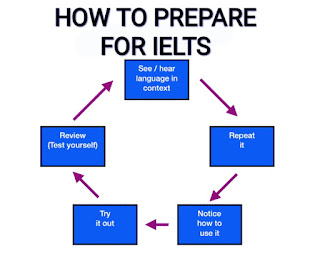
Preparing for the IELTS (International English Language Testing System) exam requires careful planning and consistent effort. Here's a detailed guide on how to prepare effectively:
1. Understand the IELTS Format:
- Familiarize yourself with the IELTS test format, which includes four sections: Listening, Reading, Writing, and Speaking.
- Know the test duration, number of questions, and scoring criteria for each section.
2. Set Your Goals:
- Determine your target band score, which varies depending on your goals, such as immigration, study abroad, or employment.
3. Choose the Right Materials:
- Invest in official IELTS preparation materials like books, practice tests, and online resources. These are the most accurate representations of the test.
4. Create a Study Schedule:
- Develop a study plan that allocates time for each section of the test.
- Stick to a regular study schedule to build consistency.
5. Improve Your Listening Skills:
- Practice listening to a variety of accents and topics. Use podcasts, news broadcasts, and IELTS listening materials.
- Take notes while listening to identify key points.
6. Enhance Your Reading Skills:
- Read a variety of materials, including newspapers, magazines, and academic articles, to improve your reading comprehension.
- Practice skimming and scanning for specific information.
7. Develop Your Writing Skills:
- Practice writing essays and reports on different topics.
- Get feedback from a tutor or use online writing correction services.
8. Hone Your Speaking Skills:
- Engage in conversations with native English speakers or language partners.
- Record yourself speaking on various topics and assess your fluency, pronunciation, and coherence.
9. Take Practice Tests:
- Regularly take full-length IELTS practice tests under timed conditions.
- Analyze your mistakes and weaknesses to focus your study efforts.
10. Time Management:
- During practice tests, allocate the recommended time for each section to simulate the actual test conditions.
11. Grammar and Vocabulary:
- Work on improving your grammar and vocabulary skills, as they play a crucial role in the Writing and Speaking sections.
12. Simulate Test Day:
- Take several complete practice tests in the weeks leading up to your exam to get accustomed to the test environment.
13. Speaking Mock Tests:
- Practice speaking tests with a friend or tutor to simulate the Speaking section's format.
14. Test Strategies:
- Learn test-taking strategies for each section, such as how to guess when you're unsure and how to manage your time effectively.
15. Review and Reflect:
- Regularly review your progress and adjust your study plan accordingly.
- Reflect on your strengths and weaknesses to refine your focus.
16. Stay Calm and Confident:
- On the test day, get a good night's sleep and arrive early.
- Stay calm and confident during the exam, and follow the instructions carefully.
17. Post-Test Analysis:
- After the test, reflect on your performance and areas where you can improve for future attempts.
18. Consider Professional Help:
- If you're struggling with specific sections, consider enrolling in an IELTS preparation course or hiring a tutor.
Remember that consistent practice and dedication are key to success in the IELTS exam. Tailor your preparation to your individual strengths and weaknesses, and don't forget to take care of your overall well-being during this period. Good luck with your IELTS journey!
IELTS preparation starts with understanding the test format and your target score. Familiarize yourself with the four sections—Listening, Reading, Writing, and Speaking—by reviewing official resources from the British Council, IDP, or Cambridge English websites. Take a free practice test early to assess your current level and identify strengths and weaknesses. Set a realistic timeline, aiming for 6-12 weeks of study depending on your starting point, and register for the exam date that aligns with your goals.
Build a strong foundation in English skills through daily practice. Dedicate time each day to vocabulary building using apps like Quizlet or Anki, focusing on academic words from IELTS topics such as environment, education, and technology. Immerse yourself in English by listening to podcasts like BBC Learning English, reading articles from The Guardian or IELTS Liz, and watching TED Talks. Track progress with a study journal to note new words, grammar rules, and common errors.
Practice under timed conditions to simulate the real exam. Use official IELTS practice books like Cambridge IELTS series for full mock tests, completing one every week and reviewing mistakes thoroughly. For Writing Task 1 and 2, outline essays quickly and seek feedback from teachers or online platforms like IELTS Advantage. In Speaking, record yourself answering sample questions and compare to model answers to improve fluency, pronunciation, and coherence.
Finalize your preparation by refining test strategies and managing exam-day logistics. Learn techniques like skimming for Reading, predicting answers in Listening, and structuring responses in Writing. Get plenty of rest, eat well, and arrive early on test day with required ID. After the exam, reflect on what went well to build confidence for future goals.
WhatsApp your coach for further guidance and a Result Oriented coaching mechanism.